
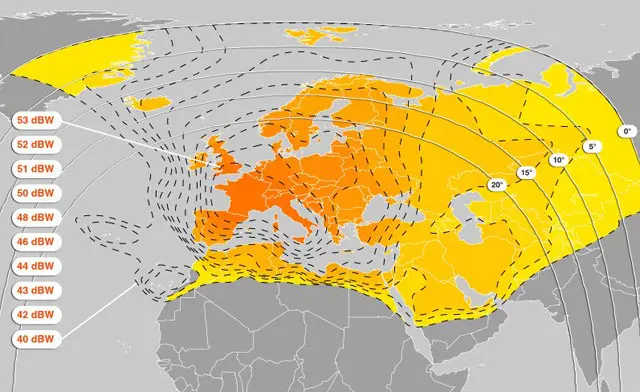
ArabSat is one of the most prominent communication satellites in the Arab world, providing vital services across the Middle East, North Africa, and Europe. Since its launch in 1985, ArabSat has revolutionized satellite television, radio broadcasting, and telecommunications in the region.
With its strategic position in space, ArabSat has become an essential platform for delivering high-quality services to millions of viewers and businesses.
🚀 On the subject of ArabSat
ArabSat is owned by the Arab States Broadcasting Union (ASBU) and serves as a regional hub for satellite communications. It provides a wide range of services including:
-
Satellite TV and radio broadcasting
-
Telecommunications
-
Internet services
-
Corporate communications
ArabSat has been key in connecting countries across the Arab world and delivering content from both local and international broadcasters. The satellite is known for its reliability and vast coverage, offering seamless connectivity in urban and remote areas alike.
🌐 ArabSat’s Satellite Fleet
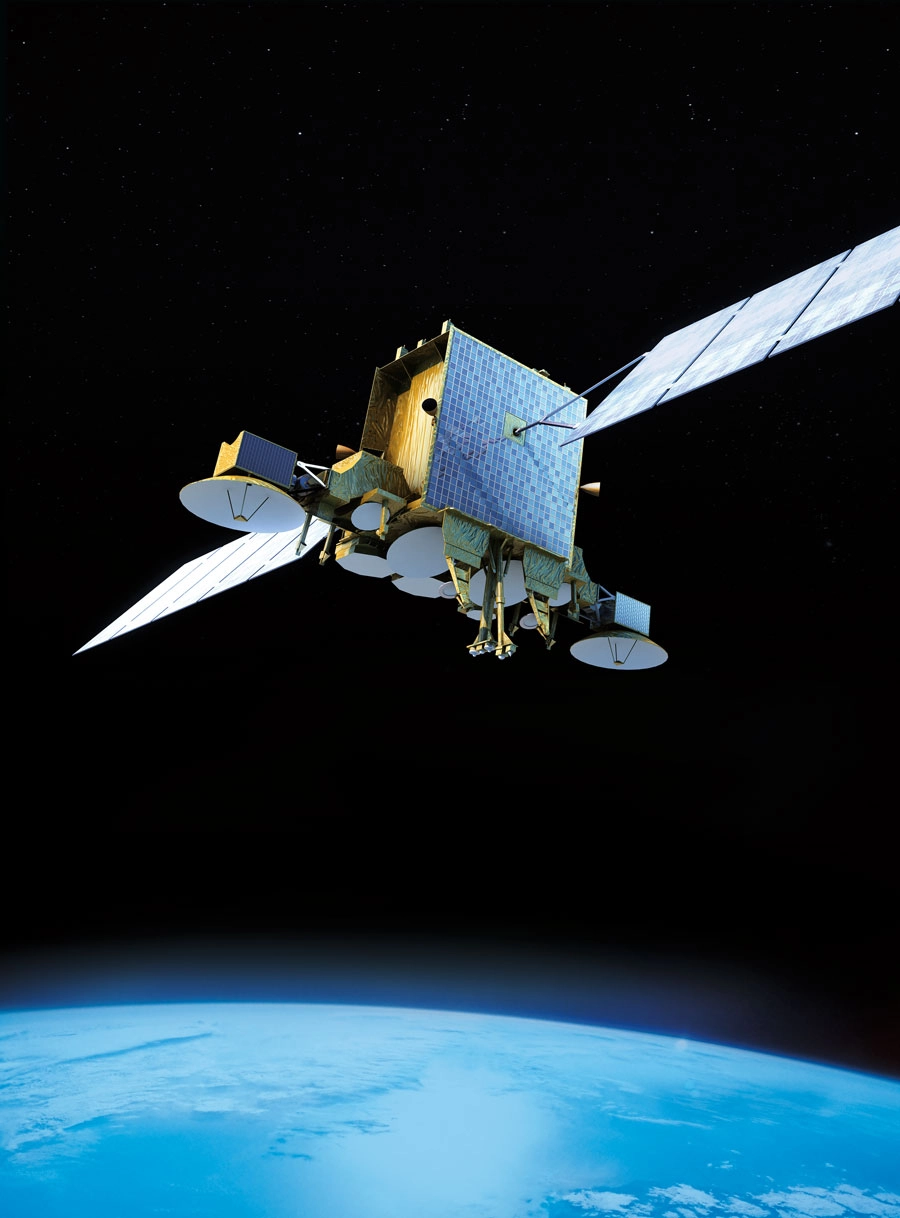
ArabSat operates a fleet of satellites positioned at various orbital slots. These satellites are strategically placed to ensure optimal coverage across the Middle East, North Africa, and parts of Europe. The fleet includes:
-
ArabSat 6A
-
ArabSat 5C
-
ArabSat 4B
-
ArabSat 4A
-
ArabSat 2 (and more)
Each satellite is equipped with high-powered transponders that enable broadcast services, including high-definition (HD) television, radio channels, and internet connectivity.
🛰️ Frequencies and Services on ArabSat
ArabSat offers a wide range of frequencies across different bands, including C-band, Ku-band, and Ka-band. These frequencies are used for:
-
TV and radio channels
-
Internet and data transmission
-
Private corporate communication networks
The specific frequencies used for different services can vary depending on the location of the user, and ArabSat offers detailed guidelines on how to access its channels and services through the appropriate frequencies.
For viewers and users who want to find the right frequencies for their satellite equipment, FreqSatellite is the perfect platform. FreqSatellite provides a detailed guide on ArabSat frequencies, helping users access satellite TV channels, radio stations, and communication services easily.
📡 How to Receive ArabSat Signals
To access ArabSat’s signals, users must have a satellite dish installed and properly aligned to the satellite’s position. The most common frequencies used for ArabSat TV and radio services include:
-
C-band: Typically used for long-range communication and high-quality television broadcasts.
-
Ku-band: Often used for regional TV broadcasting, offering high-definition channels.
-
Ka-band: Used for higher bandwidth services, including satellite internet.
By following the frequency guidelines available on FreqSatellite, users can ensure that their satellite systems are tuned to the correct frequencies to receive the best possible service.
ArabSat continues to play a pivotal role in the communication and broadcasting landscape of the Arab world. Its reliable services and wide coverage make it an indispensable tool for viewers, broadcasters, and businesses across the region. If you want to access ArabSat’s satellite channels or learn more On the subject of its frequencies, FreqSatellite is your go-to resource for all the information you need.
Importance of Ensuring Dish Pole Verticality
A straight and stable dish pole is crucial for consistent satellite alignment and optimal signal reception.
1. Prevents Skew Errors
- A tilted pole affects LNB skew adjustment, reducing signal quality for weak channels.
2. Improves Signal Stability
- A vertical pole reduces wobble during wind or rain, maintaining stable reception.
How to Easily Determine the Correct Satellite Direction
Accurate satellite direction ensures stable channel reception and reduces frequent signal loss.
1. Use Online Tools
- Satellite finder websites and apps can give exact azimuth and elevation for your location.
2. Manual Compass Adjustment
- Use a compass to roughly set the dish toward the satellite longitude.
3. Verify on Receiver
- Check signal strength and quality to fine-tune the final direction.
How to Adjust New Frequencies Before Adding Them
Properly entering and fine-tuning new frequencies ensures successful channel reception without interference.
1. Verify Frequency Details
- Check transponder frequency, polarization, and symbol rate before input.
2. Enter Frequencies Manually
- Use manual or blind scan features to avoid overwriting existing channels.
3. Test Signal Quality
- Adjust dish and LNB skew to achieve maximum signal strength and quality for the new frequency.
How to Test Elevation Angle Accurately
Correct elevation ensures optimal alignment with the satellite and maximum signal quality.
1. Use a Compass or Receiver Meter
- Set the dish elevation according to satellite coordinates.
2. Fine-Tune While Monitoring Signal
- Adjust slowly up or down to peak signal strength and quality on the receiver meter.
3. Lock Position After Testing
- Tighten all bolts carefully to avoid misalignment due to wind or vibration.
How to Choose Between Aluminum and Steel Dishes
Dish material affects durability, weight, and reception quality. Choosing the right type depends on your needs and environment.
1. Aluminum Dishes
- Lightweight and resistant to corrosion.
- Easier to mount in exposed areas.
2. Steel Dishes
- Heavier, more robust, and less prone to bending.
- May require anti-rust coating in humid environments.
Difference Between Manual and Automatic Dish Tuning
Both methods have pros and cons. Choosing the right one depends on your receiver and personal preference.
1. Manual Tuning
- Allows precise control over frequency, polarization, and azimuth adjustments.
- Useful for advanced users or weak signals.
2. Automatic Tuning
- Scans and adds all available channels automatically.
- Faster and simpler, but may miss some specific frequencies.
Standards for Selecting Professional Reception Equipment for Homes
High-quality equipment ensures stable, reliable reception and long-term performance.
1. Receiver Quality
- Choose receivers with low-noise support, HD/4K decoding, and frequent firmware updates.
2. Dish Material and Size
- Select durable materials and appropriate size for your satellite band (C-Band or Ku-Band).
3. LNB Selection
- Use low-noise, high-gain LNBs suitable for your dish and satellite frequencies.
4. Accessories
- Include lightning protection, weatherproof connectors, and proper grounding for safety and longevity.
Reasons for Weak Reception of Foreign Channels
Foreign channels may be weaker due to distance, beam type, or interference. Identifying causes improves reception reliability.
1. Distance from Satellite
- Distant satellites have weaker signals in certain regions.
2. Spot Beam Limitations
- Spot beams focus on specific countries; reception outside these zones may be weak.
3. Interference and Obstacles
- Tall buildings, trees, or electronic interference can reduce foreign channel reception.




I successfully added missing channels thanks to your guide.
Accurate updates for HD channels across multiple satellites.
The step-by-step tuning instructions are extremely helpful.
Your website makes it very easy to follow new satellite changes.
Your website makes it very easy to follow new satellite changes.
Accurate and updated satellite information every time.
Excellent coverage of new satellite channel launches.
Your site saved me time when searching for missing channels.
Thanks for sharing the latest transponder details. Everything worked perfectly.
Accurate updates for HD channels across multiple satellites.
Thanks for the quick updates about frequency changes.
Your site saved me time when searching for missing channels.
I successfully restored my favorite channels using your guide.
Very helpful explanations about polarization and symbol rate.
Thanks for the quick updates about frequency changes.
I always visit your site before doing a manual channel search.
Thanks for sharing the latest transponder details. Everything worked perfectly.
Thanks for the quick updates about frequency changes.
Great resource for satellite TV frequency news.
Great satellite frequency updates. Everything works perfectly every time.
Accurate updates for HD channels across multiple satellites.
Accurate updates for HD channels across multiple satellites.
Your frequency tables are clean and easy to understand.
The step-by-step tuning instructions are extremely helpful.
Great resource for satellite TV frequency news.
Your updates on new channel launches are always fast and accurate.
Your frequency lists are well organized and simple to follow.
Very accurate satellite frequency updates. I tuned all channels without any issues.
Your website makes it very easy to follow new satellite changes.
Very helpful explanations about polarization and symbol rate.
Your updates on new channel launches are always fast and accurate.
Accurate updates for HD channels across multiple satellites.
Thanks for the quick updates about frequency changes.
Your website makes it very easy to follow new satellite changes.
Thanks for sharing the latest transponder details. Everything worked perfectly.
Great resource for satellite TV frequency news.
Very accurate satellite frequency updates. I tuned all channels without any issues.
Your frequency lists are well organized and simple to follow.
Very helpful explanations about polarization and symbol rate.
Very reliable source for Nilesat and Hotbird frequencies.
Very accurate satellite frequency updates. I tuned all channels without any issues.
Great job updating HD and SD channel frequencies so quickly.
Great satellite frequency updates. Everything works perfectly every time.
I successfully added missing channels thanks to your guide.
Great resource for satellite TV frequency news.