
The Astra 1 satellite, positioned at 19.2º East, stands as a cornerstone of satellite broadcasting, delivering a vast array of television and radio services to millions across Europe and parts of North Africa.
Operated by SES, a global leader in satellite communications, Astra 1 is renowned for its ability to transmit over 1,150 channels, making it a pivotal hub for entertainment and connectivity.
This article delves into the unique features of Astra 1, exploring its history, launch milestones, coverage areas, technological advancements, and its critical role in shaping the viewing experience for millions.
A Celestial Gateway: Overview of Astra 1
Astra 1, also known as Astra 19.2ºE, refers to a cluster of satellites stationed at the 19.2º East orbital slot in the Clarke Belt, managed by SES, headquartered in Betzdorf, Luxembourg.
This orbital position was the first utilized by SES, initially named Astra 1, but rebranded in 2008 to Astra 19.2ºE to distinguish it from other Astra orbital slots.
Operating in the Ku-band frequency range (10.70–12.70 GHz), Astra 1 delivers a mix of free-to-air and encrypted television and radio services.
Astra 1 is a powerhouse in European broadcasting, serving over 118.4 million households through 147 transponders (145 in Ku-band and 2 in Ka-band), supporting direct-to-home (DTH), cable, and IPTV distribution.
It is a pioneer in high-definition television (HDTV), broadcasting over 40 HD channels via platforms like HD+ in Germany, elevating the visual quality for viewers.
Its strategic position and robust infrastructure make it a go-to satellite for broadcasters and viewers alike.
A Journey Through Time: History and Launch of Astra 1
The Astra 1 saga began with the launch of Astra 1A on December 11, 1988, marking Europe’s first dedicated direct-to-home (DTH) satellite.
Equipped with 16 transponders, it commenced broadcasting in February 1989, carrying iconic channels like Sky Television and MTV Europe.
This was followed by Astra 1B in 1991 and Astra 1C in 1993, introducing SES’s innovative “co-location” strategy, where multiple satellites are positioned within a 150 km orbital cube to ensure redundancy and flexibility.
In 1994, Astra 1D was launched, initially intended for digital broadcasting but adapted for analog due to market demand. The transition to digital began with Astra 1E in 1995, setting the stage for subsequent satellites like Astra 1KR, 1L, 1M, and 1N.
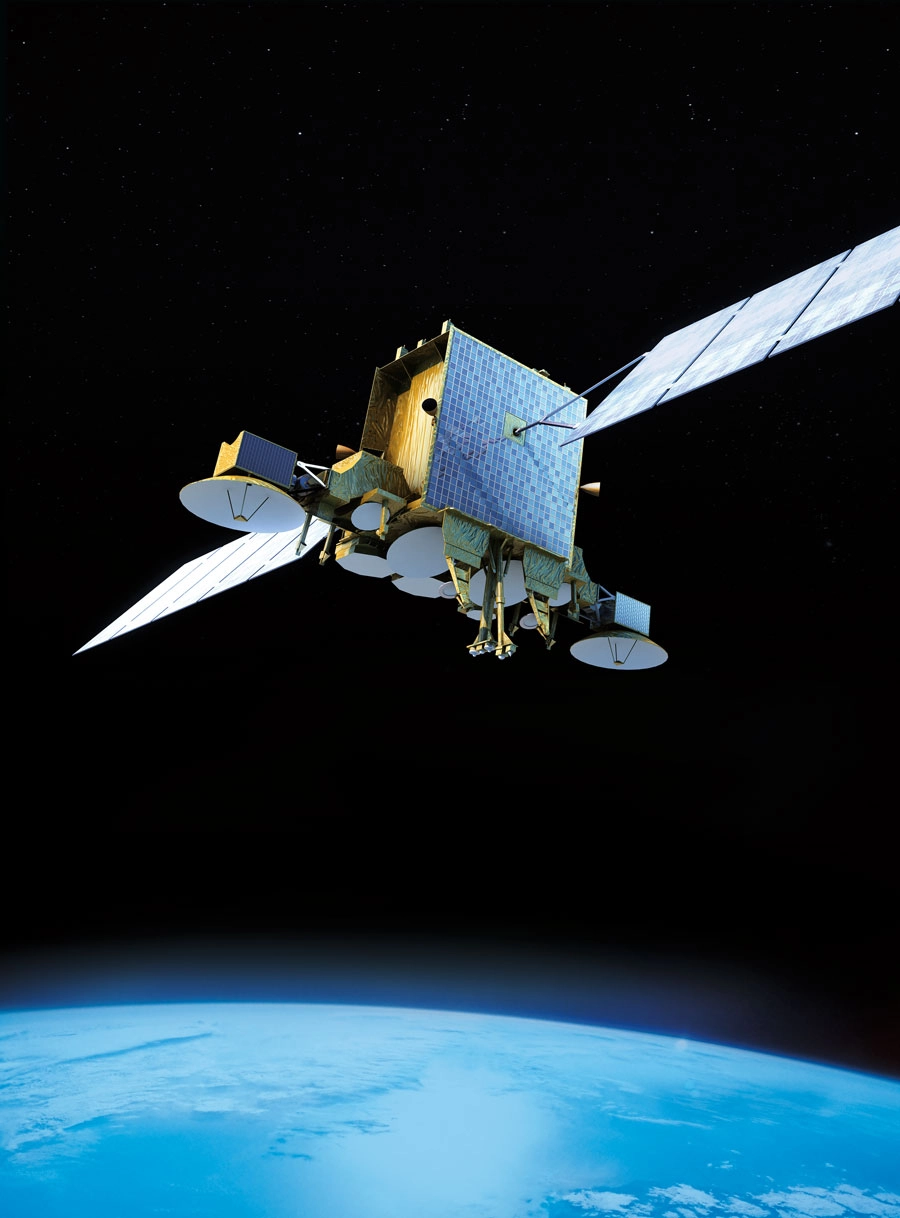
The latest addition, Astra 1P (also known as SES-24), was launched on June 20, 2024, via a SpaceX Falcon 9 rocket. As the most advanced satellite in this slot, Astra 1P boasts 80 Ku-band transponders capable of delivering 500 HDTV channels.
In February 2026, all services from older satellites (Astra 1KR and 1L) were migrated to Astra 1P, paving the way for their retirement.
Spanning Continents: Coverage Areas of Astra 1
Astra 19.2ºE is strategically positioned to serve a vast geographical footprint, primarily focusing on Europe and extending to parts of North Africa. Key regions include:
-
Germany, Austria, and Switzerland: Serving 42 million TV households, Astra 1 is a market leader in Germany, powering platforms like HD+ and ZDF with robust channel offerings.
-
France: Reaching 17.5 million households through providers like CANAL+ and Orange, it supports both free and pay-TV services.
-
Spain: Covering 7.5 million households via Movistar+ (Telefonica), it delivers international and local channels.
-
North Africa: Providing coverage to countries like Morocco, Algeria, and Tunisia, where it supports DTH services.
-
Other Regions: Including Belgium, the Netherlands, Poland, parts of Italy, and Eastern Europe, with signal strength varying by location.
Astra 1 utilizes multiple beams, such as the wide European beam for Northern and Central Europe and targeted beams for Spain and Southern Italy. Its proximity to Astra 23.5ºE allows viewers to receive channels from both positions using a single dish with a Duo LNB, enhancing installation efficiency.
Cutting-Edge Innovation: Technical Features of Astra 1
Astra 1 is distinguished by its advanced technology, setting benchmarks in satellite broadcasting:
-
High-Definition Broadcasting: A trailblazer in HDTV, Astra 19.2ºE delivers over 40 HD channels, with platforms like HD+ offering premium visual experiences.
-
Co-Location Strategy: Multiple satellites in the same orbital slot ensure seamless service continuity and resilience against technical failures.
-
Astra 1 Sports Platform: Launched in 2022, this service optimizes sports content delivery, supporting high-quality live broadcasts across Europe.
-
Efficient Bandwidth Utilization: The Ku-band transponders, especially on Astra 1P, maximize channel capacity, enabling the transmission of hundreds of HD and SD channels.
-
Digital and Encrypted Services: Supports a mix of free-to-air channels and encrypted services via smartcards, catering to diverse viewer preferences.
The introduction of Astra 1P in 2024 marked a leap forward, with its enhanced transponder capacity and energy-efficient design, ensuring long-term sustainability and superior performance.
A Viewer’s Paradise: Channels and Services
Astra 19.2ºE hosts a staggering 1,150+ television and radio channels, making it a viewer’s paradise. Key offerings include:
-
German Market: Channels like RTL, ProSieben, Sat.1, and public broadcasters ARD and ZDF, alongside HD+ exclusives like RTL UHD.
-
French Market: CANAL+ bouquet, TF1, M6, and free-to-air channels like France 2 and France 3.
-
Spanish Market: Movistar+ channels, including sports, movies, and international content like BBC World News.
-
International Channels: A mix of news (e.g., CNN, Al Jazeera), entertainment (e.g., MTV), and niche channels for expatriate communities.
-
Radio Services: Hundreds of radio stations, including BBC Radio and regional European broadcasts.
The satellite supports both standard-definition (SD) and high-definition (HD) channels, with a growing emphasis on ultra-high-definition (UHD) content, particularly for sports and premium movies.
Tips for Receiving Astra 1
To access Astra 1’s vast channel lineup, proper equipment and setup are essential. Here are key tips:
-
Dish Size: A 60-80 cm dish is sufficient for Central Europe (e.g., Germany, France). In fringe areas (e.g., North Africa or Eastern Europe), a 90-120 cm dish is recommended.
-
Dish Alignment: Use a satellite finder or app (e.g., DishPointer) to align your dish to 19.2ºE, ensuring a clear line of sight.
-
LNB Selection: A Universal Ku-band LNB (9.75/10.6 GHz) is ideal. For multi-satellite reception, use a Monoblock or Duo LNB.
-
Receiver Compatibility: Ensure your receiver supports DVB-S/S2 standards for SD, HD, and UHD channels. Smartcards may be required for encrypted services.
-
Signal Check: Aim for 70%+ signal quality on your receiver’s setup menu to avoid disruptions.
-
Weather Considerations: Secure the dish to withstand rain or wind, as Ku-band signals can be affected by adverse weather.
The Future of Astra 1
Astra 19.2ºE continues to evolve, with SES investing in next-generation satellites to meet the demand for high-quality content.
The deployment of Astra 1P underscores SES’s commitment to sustainability, with its all-electric propulsion system reducing launch costs and environmental impact.
Future advancements may include broader UHD adoption, enhanced interactive services, and integration with hybrid satellite-IPTV platforms.
As streaming services grow, Astra 1 remains a vital complement, offering reliable DTH broadcasting to areas with limited internet connectivity.
Astra 1 at 19.2ºE is more than a satellite—it’s a gateway to entertainment, connecting over 118 million households with a rich tapestry of television and radio content.
From its pioneering launch in 1988 to the cutting-edge Astra 1P in 2024, it has shaped Europe’s broadcasting landscape with its extensive coverage, technological innovation, and diverse channel offerings.
Whether you’re in Germany watching HD+ or in North Africa tuning into free-to-air channels, Astra 1 delivers unmatched reliability and quality.
By following the reception tips and staying updated with transponder settings, you can unlock the full potential of this broadcasting beacon and immerse yourself in a world of entertainment.
How to Read a Satellite Coverage Map
Satellite maps show areas of strong and weak signals. Understanding them helps in dish placement and size selection.
1. Identify the Beam Type
- Spot beams target specific regions; wide beams cover large areas.
2. Check Signal Strength Zones
- Maps often use colors or contours to indicate signal intensity.
3. Plan Dish Size Accordingly
- Stronger areas allow smaller dishes; weaker zones may need larger dishes.
How to Improve Reception of Geographically Distant Channels
Channels from distant satellites may be weaker. Proper techniques can enhance signal strength and stability.
1. Use a Larger Dish
- Large dishes capture weaker signals more effectively than smaller ones.
2. High-Gain LNB
- Low-noise, high-gain LNBs improve reception for distant or weak signals.
3. Accurate Alignment
- Fine-tune azimuth, elevation, and skew angles to maximize signal quality.
Steps to Test an LNB Using Another Receiver
Testing your LNB with a second receiver helps determine whether signal issues come from the LNB or the main receiver.
1. Disconnect the Current Receiver
- Safely disconnect the coaxial cable from your main receiver.
2. Connect to a Known Working Receiver
- Attach the cable to another receiver that is confirmed to be functioning properly.
3. Check Signal Quality
- If the signal improves, the original receiver may be faulty.
- If the signal remains weak, the LNB or dish alignment may need attention.
Causes of Weak Satellite Signals and How to Solve Them
Weak satellite signals can disrupt your viewing experience. Identifying the causes helps restore stable reception.
1. Dish Misalignment
- Even a slight deviation from the correct satellite position can weaken the signal.
2. Poor Quality Cables or Connectors
- Check for corrosion, loose connections, or damaged coaxial cables.
3. LNB Issues
- Replace old or low-gain LNBs to improve signal quality.
4. Environmental Obstacles
- Tall trees, buildings, or other structures can block or reflect signals.
Reasons for Weak Reception of Foreign Channels
Foreign channels may be weaker due to distance, beam type, or interference. Identifying causes improves reception reliability.
1. Distance from Satellite
- Distant satellites have weaker signals in certain regions.
2. Spot Beam Limitations
- Spot beams focus on specific countries; reception outside these zones may be weak.
3. Interference and Obstacles
- Tall buildings, trees, or electronic interference can reduce foreign channel reception.
How to Adjust LNB Power Settings
Proper LNB power ensures stable reception and prevents damage. Adjusting voltage and polarization settings is key.
1. Check LNB Voltage Requirements
- Most LNBs require 13V/18V for vertical/horizontal polarization.
- Use the receiver settings to match the LNB specification.
2. Configure 22kHz Tone if Needed
- Some LNBs require a 22kHz tone for switching bands or multiple outputs.
3. Test Signal Quality
- After adjusting, verify signal strength and quality on the receiver.
How to Accurately Adjust a Motorized Dish
Motorized dishes allow access to multiple satellites. Proper alignment ensures maximum signal quality and channel stability.
1. Set Initial Position
- Align the dish to the first satellite using a fixed reference or compass.
2. Fine-Tune with Receiver
- Use the receiver’s signal meter to adjust azimuth and elevation until quality peaks.
3. Program Satellite Positions
- Store satellite positions in the motor controller for easy switching.
- Check each satellite individually to confirm optimal reception.
Satellite Dish Alignment and Direction
Proper alignment ensures strong and stable reception. Follow these steps for accurate dish orientation.
1. Use a Compass or Satellite Finder
- Set azimuth and elevation angles according to your satellite’s location.
2. Adjust LNB Skew
- Rotate the LNB slightly to match the satellite’s polarization angle.
3. Verify Signal Strength
- Fine-tune the dish slowly while monitoring signal quality on the receiver.



Your frequency tables are clean and easy to understand.
Thanks for the quick updates about frequency changes.
Great resource for satellite TV frequency news.
I successfully restored my favorite channels using your guide.
I successfully added missing channels thanks to your guide.
Your frequency lists are well organized and simple to follow.
Your site saved me time when searching for missing channels.
Your frequency tables are clean and easy to understand.
Great satellite frequency updates. Everything works perfectly every time.
Thanks for sharing the latest transponder details. Everything worked perfectly.
Great job updating HD and SD channel frequencies so quickly.
Your frequency tables are clean and easy to understand.
Great satellite frequency updates. Everything works perfectly every time.
I successfully added missing channels thanks to your guide.
Very accurate satellite frequency updates. I tuned all channels without any issues.
Your updates on new channel launches are always fast and accurate.
Accurate and updated satellite information every time.
I always visit your site before doing a manual channel search.
Thanks for the clear frequency tables. Very easy to tune channels.
Accurate updates for HD channels across multiple satellites.
Your website makes it very easy to follow new satellite changes.
Very helpful explanations about polarization and symbol rate.
Great job updating HD and SD channel frequencies so quickly.
Accurate and updated satellite information every time.
Your frequency lists are well organized and simple to follow.
I successfully added missing channels thanks to your guide.
Accurate updates for HD channels across multiple satellites.
Reliable source for checking Nilesat frequency updates anytime.
The step-by-step tuning instructions are extremely helpful.
I successfully restored my favorite channels using your guide.
The step-by-step tuning guide helped me a lot. Very clear instructions.
Your site saved me time when searching for missing channels.
I successfully added missing channels thanks to your guide.
Accurate updates for HD channels across multiple satellites.